
اتصل بنا : 0536915691
The Complete Guide to Improving English Language Skills for Saudi Learners

Learning a new language opens doors to countless opportunities. For many people in Saudi Arabia, improving English language proficiency represents a pathway to better career prospects, academic success, and global communication. Whether you want to advance at work, study abroad, or simply connect with people worldwide, strengthening your English skills creates real-world advantages that extend far beyond the classroom.
The journey of language learning requires dedication and the right approach. Many students feel frustrated when progress seems slow. However, with proven strategies and consistent practice, anyone can achieve fluency. This comprehensive guide provides practical tips and actionable steps that fit into your daily life. You will discover methods that successful language learners use to master English speaking, writing, reading, and listening skills.
The strategies shared here come from research and real experience. They work for intermediate learners who want to take their abilities to the next level. From building vocabulary to gaining confidence in conversation, each section offers specific techniques you can implement immediately. Let’s explore how you can transform your English language skills starting today.
Understanding Your Current English Level
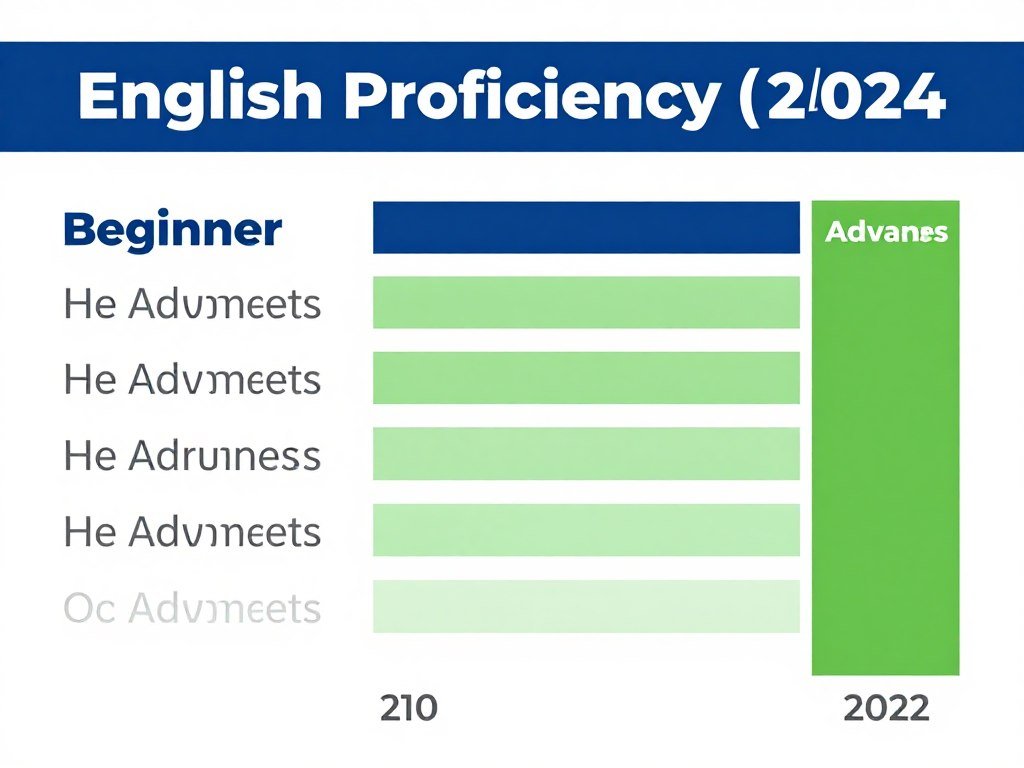
Before you begin improving English, you need to know your starting point. Understanding your current level helps you set realistic goals and choose appropriate learning materials. Most language frameworks use levels from beginner to advanced. For intermediate learners, this typically means you can handle everyday conversation but struggle with complex topics or professional discussions.
Take time to evaluate each skill area separately. Your reading ability might be stronger than your speaking skills. This is common for many learners. You might understand written English well but find it hard to express ideas verbally. Identifying these gaps allows you to focus your efforts where they matter most.
Consider taking a professional assessment test. Many online platforms offer free evaluations that measure your abilities across all four language skills. These tests provide detailed feedback about your strengths and weaknesses. The results help you create a personalized improvement plan that addresses your specific needs.
Discover Your True English Level
Take our free comprehensive assessment test designed specifically for Arabic speakers. Get personalized feedback and a customized learning roadmap in just 15 minutes.
Developing Strong English Speaking Skills

Speaking represents the most challenging aspect of language learning for many students. The fear of making mistakes often prevents people from practicing. However, speaking practice is essential for improving English language fluency. You cannot develop confidence without regular conversation experience.
Find Conversation Partners and Practice Opportunities
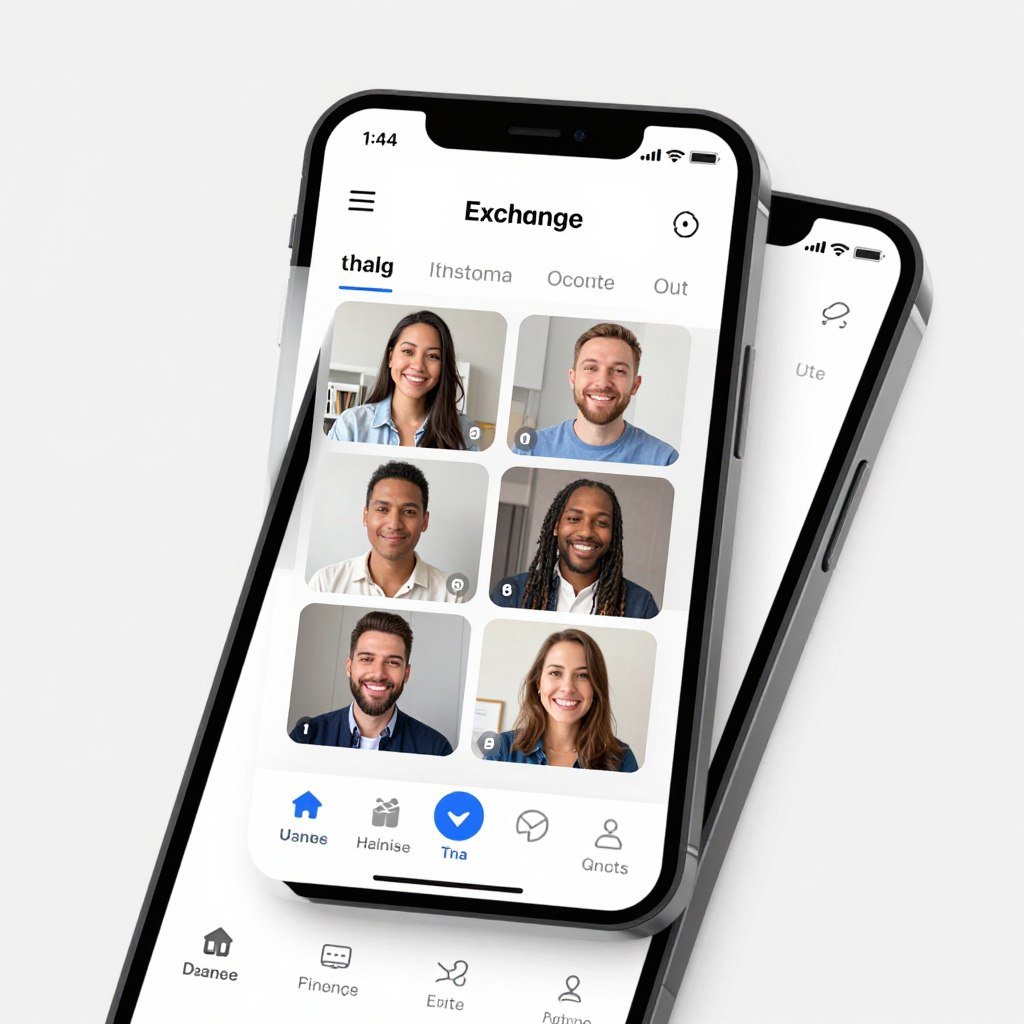
Look for opportunities to use English every day. Join language exchange programs where you can meet native speakers learning Arabic. These exchanges benefit both people. You practice English while helping your partner learn Arabic. Many universities and community centers in Saudi Arabia organize such events regularly.
Online platforms also connect learners worldwide. Apps and websites allow you to schedule video calls with conversation partners. Choose topics that interest you. Discussing hobbies, news, or current events makes practice enjoyable rather than tedious work.
Build Confidence Through Regular Practice
Start with simple conversations and gradually increase complexity. Record yourself speaking to identify areas for improvement. Listen to how native speakers pronounce words and try to imitate their rhythm and intonation. This technique helps you sound more natural.
Don’t worry about perfect grammar in conversation. Communication comes first. Native speakers make mistakes too. The goal is to express your ideas clearly. As you practice more, accuracy improves naturally. Join English-speaking clubs or discussion groups where you can practice in a supportive environment.
Effective Speaking Strategies
- Practice daily for at least 15 minutes
- Focus on pronunciation and intonation
- Learn common phrases used by native speakers
- Record and review your speaking sessions
- Don’t fear making mistakes
Common Speaking Mistakes to Avoid
- Translating directly from Arabic to English
- Avoiding conversation due to fear
- Focusing only on grammar rules
- Speaking too fast without clarity
- Not listening to feedback from others
Get Your Free English Conversation Guide
Download our comprehensive conversation starter pack with 100+ everyday phrases, pronunciation tips, and practice dialogues designed for Arabic speakers.
Expanding Your English Vocabulary Effectively
A rich vocabulary allows you to express complex ideas and understand nuanced communication. Learning new words and phrases is a continuous part of improving English language abilities. However, memorizing random vocabulary lists rarely leads to lasting results. You need strategic approaches that help words stick in your memory.
Learn Words in Context
Always learn vocabulary in context rather than isolation. When you encounter a new word while reading an article or watching a movie, note how it’s used in that specific situation. This contextual learning helps you remember the word and understand its appropriate usage. Create example sentences using new vocabulary to reinforce your learning.
Group related words together by theme or topic. If you’re learning business English, focus on vocabulary related to meetings, presentations, and negotiations. This thematic approach makes words easier to recall when you need them in real situations. Use the new words in conversation within 24 hours of learning them to transfer knowledge from short-term to long-term memory.
Use Multiple Learning Methods
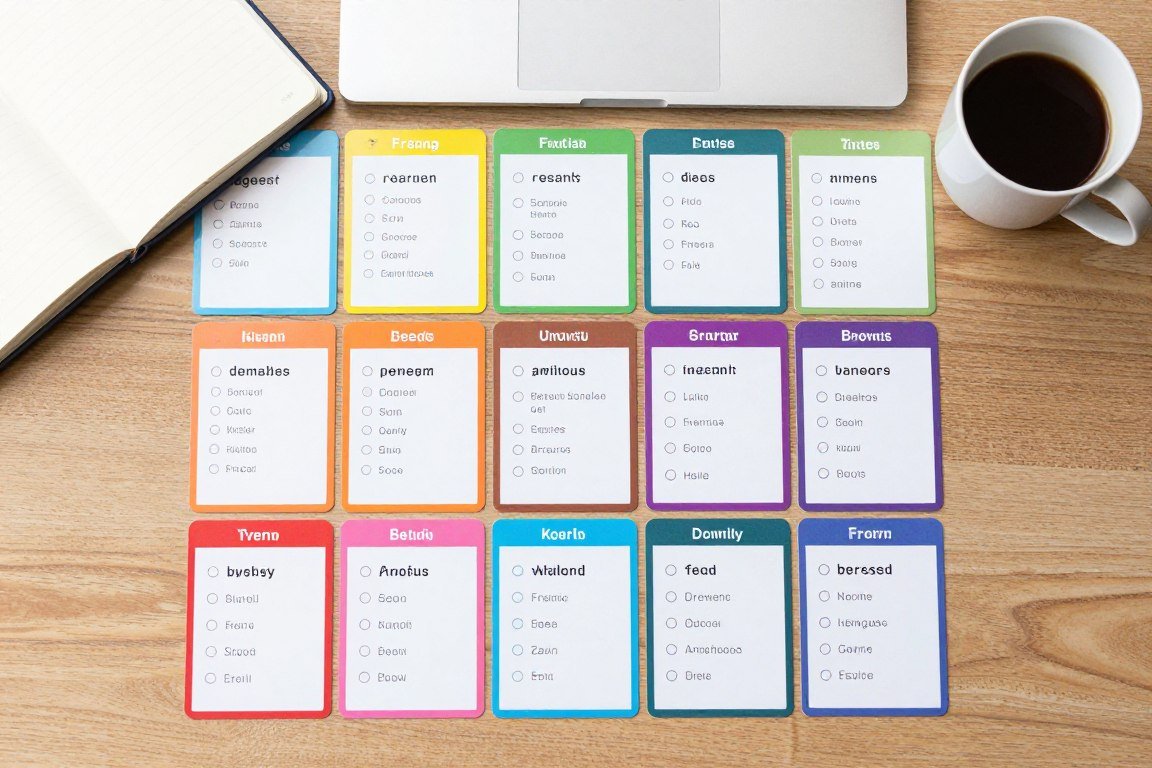
Different techniques work for different people. Some learners benefit from visual aids like flashcards or mind maps. Others prefer audio methods such as listening to podcasts or songs. Experiment with various approaches to find what works best for your learning style.
Read extensively in English. Books, articles, and news stories expose you to vocabulary in natural contexts. Don’t stop to look up every unknown word. Try to understand meaning from context first. Mark words that appear repeatedly or seem important, then review them later. This approach builds both vocabulary and reading comprehension simultaneously.
- Set a goal to learn five new words each day
- Use vocabulary apps that employ spaced repetition techniques
- Keep a personal vocabulary journal with example sentences
- Watch English movies and shows with subtitles
- Read English news websites about topics you enjoy
- Play word games and puzzles in English
- Label objects around your home with English names
Improving English Listening and Comprehension

Listening skills often receive less attention than speaking or writing. Yet understanding spoken English is crucial for effective communication. Many learners can read English well but struggle to follow conversations or understand movies without subtitles. Developing strong listening abilities requires consistent exposure and active practice.
Train Your Ear Through Varied Content
Listen to different types of English content daily. Start with material slightly above your current level. Podcasts designed for language learners offer clear pronunciation and moderate speaking speeds. As your skills improve, progress to regular podcasts, news broadcasts, and authentic conversations.
Vary your listening sources to experience different accents and speaking styles. British English sounds different from American English. Australian and Indian English have distinct characteristics. Exposure to this range prepares you for real-world communication with people from various backgrounds.
Active listening requires more than passive hearing. Focus on understanding the main ideas first. Don’t stress about catching every single word. Native speakers don’t process every word either. They grasp overall meaning and fill in details through context. Practice this same approach in your listening exercises.
Podcasts for Learning
Choose podcasts about your interests. Technology, sports, or cooking podcasts keep you engaged while improving listening skills. Start with shows designed for learners, then move to native content.

Watch News and Shows
International news channels provide clear, well-structured English. Documentaries combine visual context with narration, making comprehension easier while expanding your knowledge on various topics.

Movies and Entertainment
Entertainment makes learning enjoyable. Watch movies first with subtitles, then without. Notice how characters use informal language, idioms, and cultural references in natural conversation.
Enhancing Reading and Writing Abilities

Reading and writing work together to strengthen your overall language skills. Regular reading exposes you to correct grammar, varied vocabulary, and different writing styles. Writing practice helps you organize thoughts and express ideas clearly in English. Both skills support your speaking and listening development.
Read Widely and Regularly
Make reading a daily habit. Choose materials that match your interests and current level. Starting with simple books or graded readers builds confidence. Gradually challenge yourself with more complex texts. Fiction offers engaging stories while non-fiction provides factual knowledge and specialized vocabulary.
Read actively rather than passively. Underline interesting phrases. Note how sentences are structured. Pay attention to how writers organize ideas and transition between topics. These observations improve your own writing and help you recognize patterns in the language.
Practice Writing Daily
Write something in English every day. Start a journal documenting your day or thoughts. Write short stories, blog posts, or emails to friends. The topic matters less than the practice itself. Regular writing helps you think in English rather than translating from Arabic.

Ask native speakers or teachers to review your writing. Feedback identifies recurring mistakes and areas for improvement. Online communities and language exchange platforms often offer free writing correction services. Don’t feel discouraged by corrections. Each mistake represents a learning opportunity that moves you closer to fluency.
- Read at least 20 pages in English daily from varied sources
- Keep a vocabulary notebook while reading
- Write a short journal entry each day
- Practice different writing styles from formal to casual
- Read your writing aloud to check if it sounds natural
- Study grammar in context through your reading
- Rewrite articles in your own words for practice
Practical Daily Strategies for Language Improvement
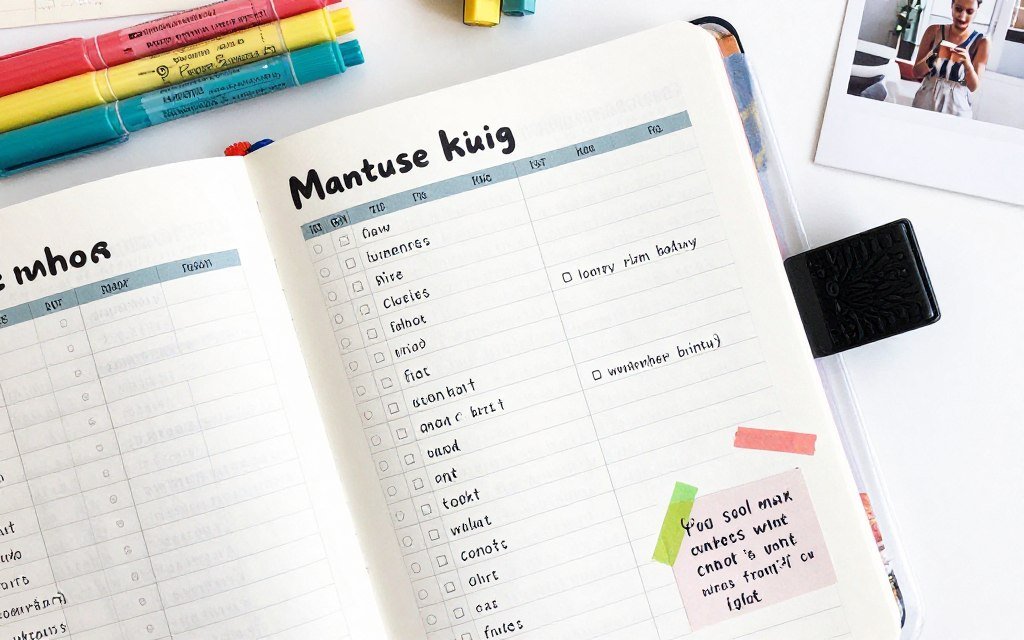
Consistency matters more than intensity when learning a language. Small daily actions create better results than occasional intensive study sessions. Incorporate English into your routine in ways that feel natural rather than forced. This approach prevents burnout and creates sustainable long-term progress.
Create an English Environment
Surround yourself with English throughout the day. Change your phone and computer language settings to English. Follow English social media accounts. Listen to English radio while commuting. These small changes create constant exposure without requiring extra time or effort.
Find friends or colleagues who also want to practice. Agree to speak only English during lunch breaks or coffee meetings. This creates a safe space to practice without judgment. Having regular practice partners keeps you accountable and motivated on difficult days when you feel like giving up.
Morning Routine Integration
Start each day with 15 minutes of English. Listen to a podcast while preparing breakfast. Read news articles with your morning coffee. This morning practice energizes your brain and sets a positive tone for the day.
Use your commute time productively. Audio lessons, podcasts, or audiobooks turn travel time into learning time. Even short trips provide valuable exposure that accumulates over weeks and months.

Set Achievable Goals and Track Progress
Break your learning into specific, measurable goals. Instead of vague aims like “improve English,” set concrete targets such as “learn 50 new business vocabulary words this month” or “have three 20-minute conversations weekly.” Specific goals provide clear direction and measurable progress.
Track your learning in a journal or app. Note new words learned, pages read, and conversations completed. Seeing your progress accumulate provides motivation during challenging periods. Celebrate small wins along the way to maintain enthusiasm for the learning journey.
Pro Tip: Use the “shadowing” technique while watching English videos. Pause after each sentence and repeat exactly what you heard, mimicking pronunciation and intonation. This powerful exercise improves both speaking and listening skills simultaneously.
+966 53 691 5691
Call for a free consultation about personalized English learning plans
Overcoming Common Challenges in Learning English

Every language learner faces obstacles. Understanding common challenges helps you prepare strategies to overcome them. The path to fluency includes frustrating moments when progress seems invisible. These plateaus are normal parts of the learning process, not signs of failure.
Dealing with Fear and Anxiety
Many people avoid speaking English because they fear making mistakes. This fear actually slows progress. Remember that mistakes are learning tools, not failures. Every error teaches you something new about the language. Native speakers appreciate your effort to communicate in their language, regardless of small errors.
Build confidence gradually through low-pressure situations. Practice with supportive friends before trying more challenging scenarios like work presentations. Join online communities where learners support each other. Sharing experiences with others on the same journey reduces feelings of isolation and builds encouragement.
How long does it take to become fluent in English?
Fluency timelines vary based on several factors including study time, native language, and learning methods. For intermediate learners practicing consistently, noticeable improvement occurs within three to six months. Conversational fluency typically requires one to two years of regular practice. Advanced fluency may take three to five years depending on your goals and dedication.
What if I don’t have anyone to practice speaking with?
Technology provides many solutions. Language exchange apps connect you with native speakers worldwide. AI conversation tools allow practice anytime. Join online English discussion groups or clubs. Talk to yourself in English while doing daily activities. Record yourself speaking and analyze your pronunciation. These methods work effectively even without regular conversation partners.
Should I focus on British or American English?
Choose based on your goals and preferences. Both variants are widely understood internationally. American English dominates business and technology sectors. British English is common in academic and formal contexts. Exposure to both varieties prepares you for diverse communication situations. The differences in vocabulary and pronunciation are relatively minor compared to overall language comprehension.
Maintaining Motivation Over Time
Initial excitement about learning often fades after a few weeks or months. Create systems that maintain motivation during this critical period. Connect your learning to personal goals like career advancement or travel dreams. Visual reminders of why you started help during difficult moments.
Find ways to make learning enjoyable rather than purely obligatory. If you love cooking, watch English cooking shows. If you enjoy sports, read sports news in English. Connecting the language to your interests transforms study from work into pleasure. This sustainable approach prevents burnout and creates lifelong learning habits.
Joining English Learning Communities and Using Resources

Learning with others accelerates progress and makes the journey more enjoyable. Communities provide support, accountability, and opportunities to practice. Both online and offline resources offer valuable tools for improving English language skills. Knowing where to find quality materials saves time and focuses your efforts effectively.
Find Your Learning Community
Look for English conversation clubs in your city. Libraries, cultural centers, and universities often host regular meetups. These gatherings create friendly environments where people practice together without judgment. Meeting regularly with the same group builds relationships and creates natural conversation opportunities.
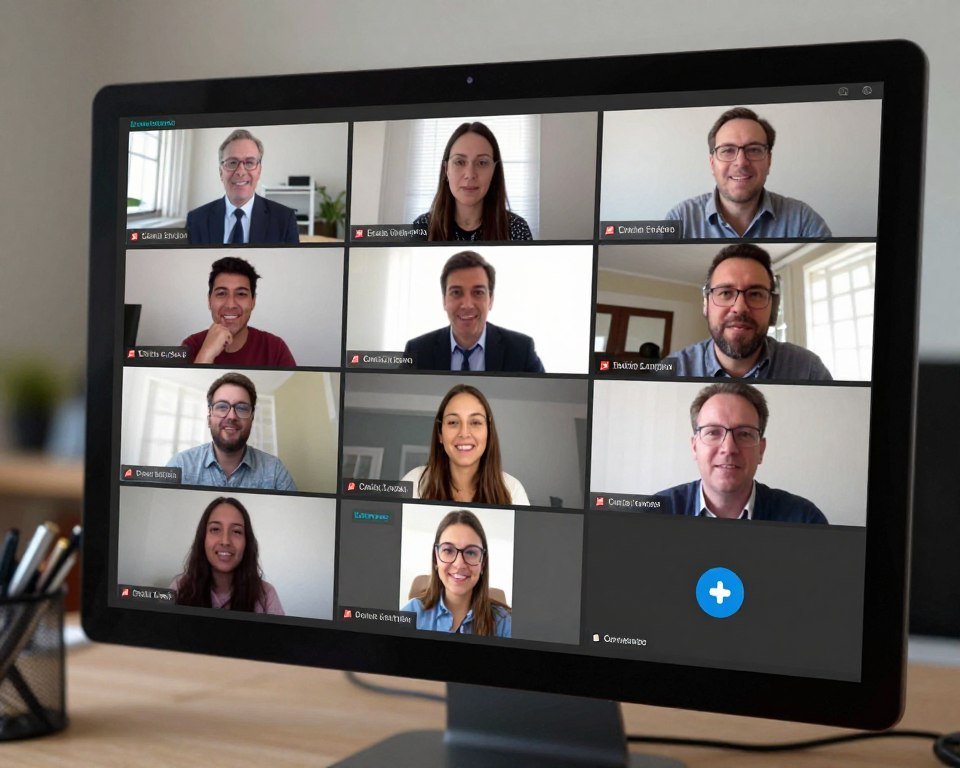
Online communities offer flexibility for busy schedules. Forums, social media groups, and virtual study groups connect learners globally. Participate actively by asking questions, sharing resources, and helping others. Teaching concepts to fellow learners reinforces your own understanding and builds confidence.
Maximize Available Resources
Free resources abound for motivated learners. YouTube channels offer lessons on every topic from grammar to pronunciation. Podcasts provide listening practice during commutes. News websites publish articles at various difficulty levels. Public libraries often provide free access to language learning software and books.
Invest strategically in paid resources that match your goals. Quality courses provide structured learning paths and expert guidance. Professional teachers offer personalized feedback that accelerates improvement. Consider the investment in your English skills as an investment in your future career and opportunities.
- Join at least one English conversation group or exchange program
- Subscribe to English learning YouTube channels for free lessons
- Use library resources including books and online learning platforms
- Participate in online forums to ask questions and help others
- Attend English events at cultural centers or international organizations
- Consider hiring a tutor for personalized guidance on weak areas
Join Our English Learning Community
Connect with thousands of Arabic-speaking English learners. Get access to exclusive practice sessions, native speaker exchanges, and weekly conversation clubs. Start building your confidence in a supportive environment today.
Your Path Forward in English Language Mastery

Improving English language abilities requires commitment, but the rewards justify every effort. Better communication skills create professional opportunities, academic possibilities, and personal growth. The strategies outlined in this guide provide a comprehensive roadmap from where you are now to where you want to be.
Remember that progress happens gradually through consistent daily practice. Some days will feel easier than others. Plateaus and challenges are normal parts of the learning process. Focus on long-term improvement rather than daily fluctuations. Each conversation, every article read, and all writing practice contributes to your growing fluency.
Start implementing these techniques today. Choose two or three strategies that resonate most with your learning style and schedule. Build these into your daily routine until they become automatic habits. As these practices become comfortable, gradually add more techniques to expand your learning approach.
Your English language journey is unique to you. Celebrate your progress, learn from mistakes, and keep moving forward. The confidence and opportunities that come with strong English skills will transform your personal and professional life in ways you cannot yet imagine. Take that first step today toward the fluent English speaker you aspire to become.
Ready to Transform Your English Skills?
Get started with our comprehensive English improvement program designed specifically for Saudi learners. Receive personalized guidance, structured lessons, and ongoing support from expert instructors who understand your unique challenges.