
اتصل بنا : 0536915691
تعلم مفردات إنجليزية: دليلك الشامل للمبتدئين

Learning English vocabulary opens doors to countless opportunities in education, career advancement, and global communication. For Arabic speakers in Saudi Arabia, building a strong foundation in English words transforms the way you connect with the world. Whether you dream of studying abroad, advancing your professional career, or simply enjoying English content, your journey begins with mastering essential vocabulary.
Many learners struggle with memorizing English words because they lack a structured approach. You might feel overwhelmed by the thousands of words in the English language. The good news is that you don’t need to know every word to communicate effectively. Research shows that knowing just 1,000 common English words allows you to understand approximately 80% of everyday conversations.
This comprehensive guide will show you exactly how to build your English vocabulary from the ground up. You’ll discover proven learning methods, essential words every beginner should know, and practical strategies to remember what you learn. More importantly, you’ll understand how to apply these words in real-life situations, making your learning journey both effective and enjoyable.
Why English Vocabulary Matters for Your Success

Your vocabulary size directly impacts your ability to express thoughts, understand others, and navigate English-speaking environments. Strong vocabulary skills form the foundation for all other language abilities including reading comprehension, writing clarity, and speaking confidence.
In today’s globalized world, English serves as the primary language for international business, academic research, and digital content. Saudi professionals with robust English vocabulary command higher salaries and access better career opportunities. Students with solid word knowledge perform better on standardized tests like IELTS and TOEFL, opening pathways to prestigious universities worldwide.
Personal Benefits
- Express yourself clearly and confidently in English
- Understand movies, songs, and books without subtitles
- Make international friends and expand your network
- Travel independently in English-speaking countries
- Access unlimited online resources and courses
Professional Advantages
- Qualify for higher-paying positions requiring English
- Communicate effectively with international clients
- Read and write professional emails and reports
- Participate confidently in meetings and presentations
- Stay updated with global industry trends and research

Beyond career benefits, learning vocabulary enhances cognitive abilities. Studies demonstrate that acquiring new words improves memory, increases mental flexibility, and even delays cognitive decline. Each word you learn creates new neural connections in your brain, making you a sharper thinker overall.
For beginners, focusing on high-frequency vocabulary provides the fastest path to functional communication. Instead of memorizing random words, strategic learners prioritize words they’ll actually use in daily life. This smart approach delivers visible results quickly, keeping you motivated throughout your learning journey.
Essential English Vocabulary Words Every Beginner Needs
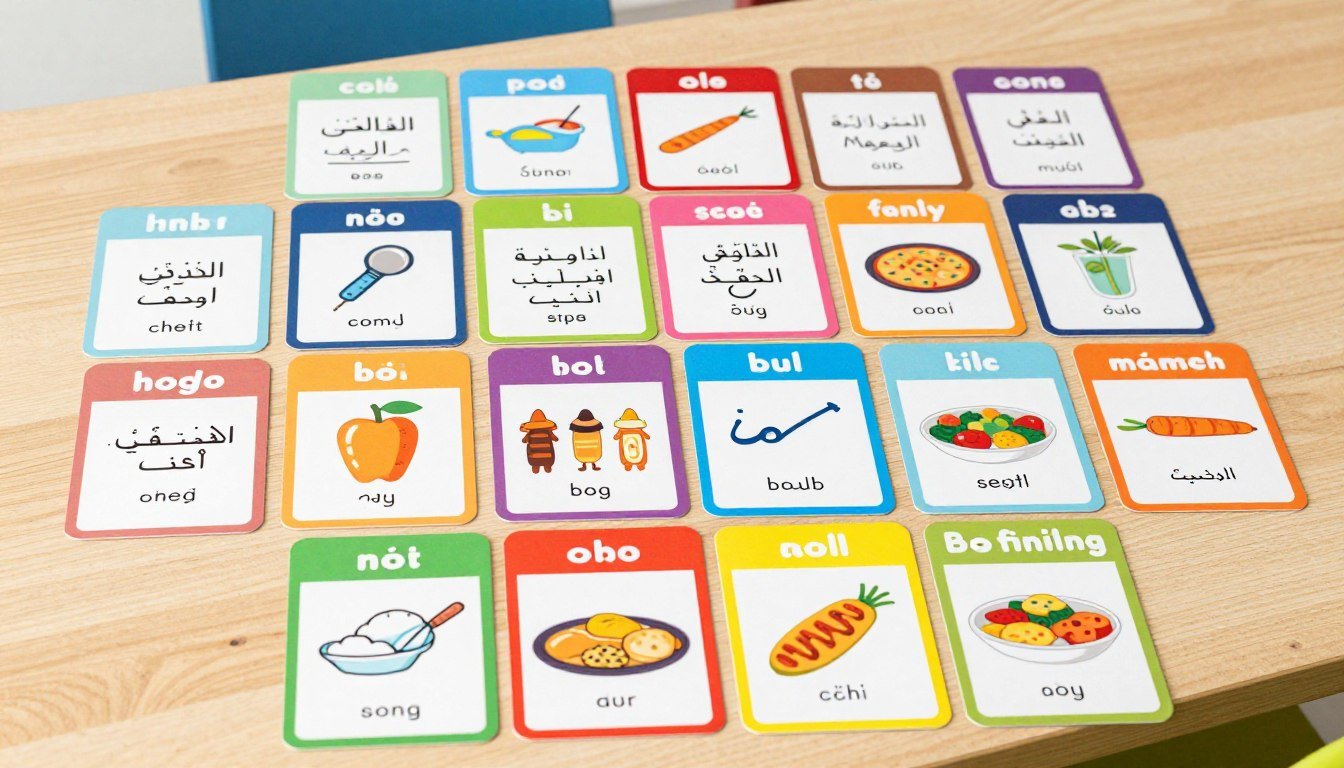
Starting with the right words makes all the difference in your learning efficiency. The following categories contain the most useful English vocabulary for beginners, carefully selected based on frequency of use in everyday situations.
Greetings and Common Expressions
These expressions form the basis of every English conversation. Mastering these phrases allows you to start interactions confidently and make positive first impressions.
| English Word | Arabic Translation | Example Sentence |
| Hello | مرحبا | Hello, how are you today? |
| Thank you | شكرا لك | Thank you for your help. |
| Please | من فضلك | Please pass me the book. |
| Excuse me | عفوا | Excuse me, where is the bathroom? |
| Sorry | آسف | Sorry, I didn’t understand. |
| Goodbye | وداعا | Goodbye, see you tomorrow. |

Numbers and Time Vocabulary
Numbers appear in countless daily situations from shopping to scheduling. Time-related words help you make appointments, discuss schedules, and navigate transportation systems.
- Numbers 1-100 (one, two, three, ten, twenty, hundred)
- Days of the week (Monday, Tuesday, Wednesday, Thursday, Friday, Saturday, Sunday)
- Months (January, February, March, April, May, June, July, August, September, October, November, December)
- Time expressions (today, tomorrow, yesterday, morning, afternoon, evening, night)
- Common time words (hour, minute, second, week, month, year)
Family and Relationships
Talking about family represents one of the most common conversation topics. These words help you introduce yourself and discuss the important people in your life.
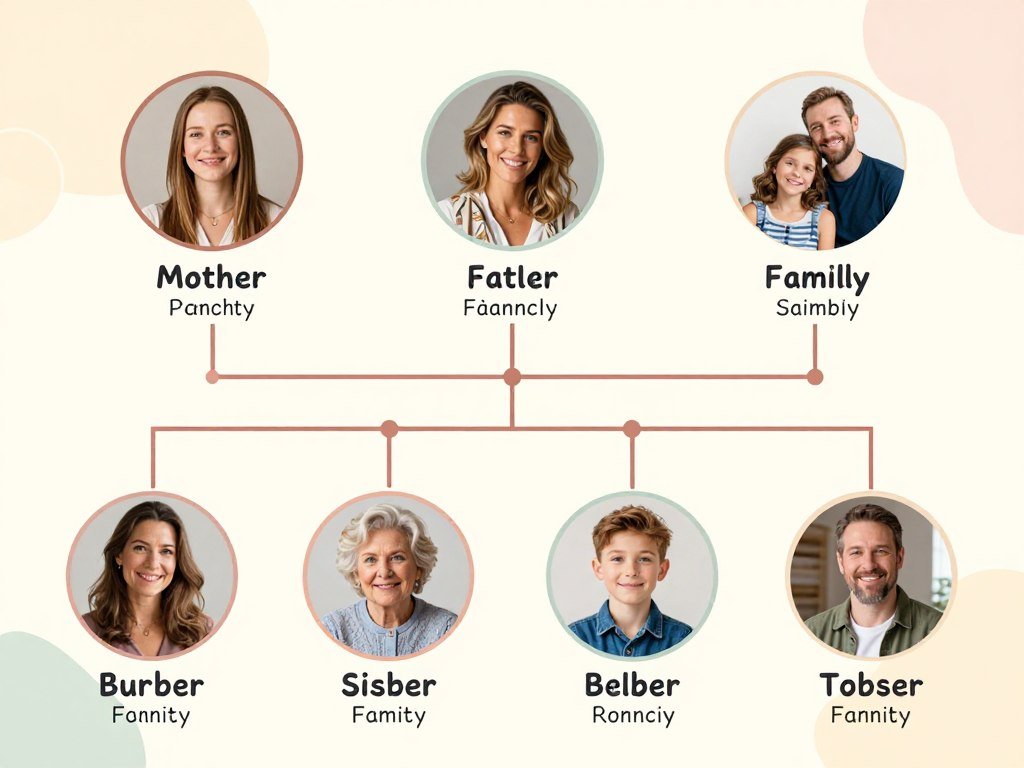
Immediate Family
- Mother
- Father
- Sister
- Brother
- Husband
- Wife
- Son
- Daughter
Extended Family
- Grandmother
- Grandfather
- Aunt
- Uncle
- Cousin
- Nephew
- Niece
Relationships
- Friend
- Colleague
- Neighbor
- Classmate
- Teacher
- Student
- Boss
Common Verbs for Daily Actions
Verbs bring language to life by describing actions. These essential verbs allow you to talk about what you do every day, making them crucial for basic communication.
- Be (am, is, are)
- Have (has, had)
- Do (does, did)
- Go (goes, went)
- Get (gets, got)
- Make (makes, made)
- Take (takes, took)
- Come (comes, came)
- See (sees, saw)
- Know (knows, knew)
- Think (thinks, thought)
- Want (wants, wanted)
- Need (needs, needed)
- Like (likes, liked)
- Work (works, worked)
- Live (lives, lived)

Effective Methods for Learning English Vocabulary
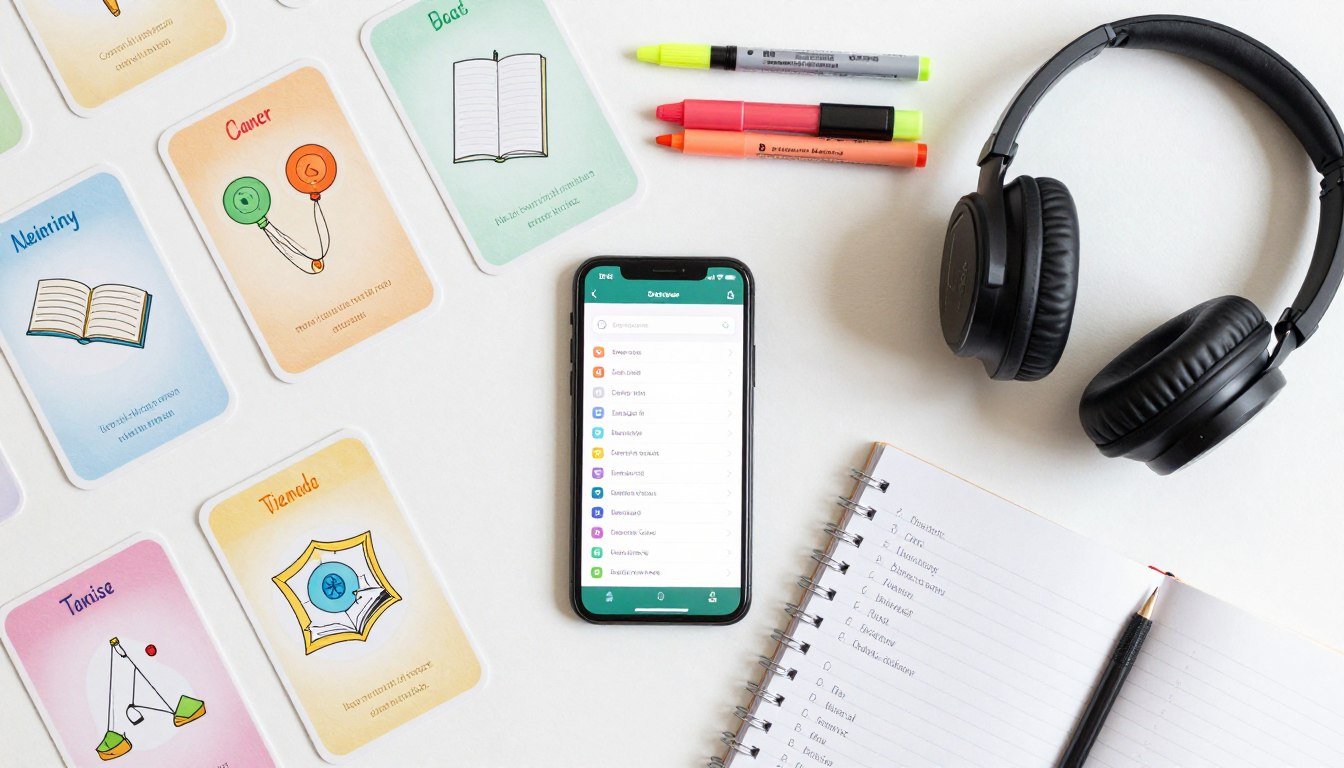
Knowing which words to learn is only half the battle. The methods you use to study determine how quickly you learn and how well you retain new vocabulary. Scientific research reveals several highly effective techniques that work better than traditional rote memorization.
The Spaced Repetition System
Spaced repetition takes advantage of how your brain naturally stores information in long-term memory. Instead of cramming all your studying into one session, you review words at gradually increasing intervals. This method has been proven to increase retention rates by up to 200% compared to traditional studying.
Start by reviewing new words after one day, then three days, then one week, then two weeks, and finally one month. Each successful review strengthens the memory, while forgotten words return to the beginning of the cycle. Popular apps like Anki automate this process, but you can also create a simple paper-based system using boxes or folders.
Context-Based Learning
Your brain remembers words better when they connect to meaningful contexts rather than isolated definitions. Always learn vocabulary within complete sentences that demonstrate real usage. For example, instead of memorizing “beautiful = جميل,” learn “She wore a beautiful dress to the party.”

Reading extensively in English provides natural context for thousands of words. Choose content slightly above your current level where you understand about 80% of the words. When you encounter unknown words, try to guess their meaning from context before checking a dictionary. This active engagement creates stronger memory traces.
The Keyword Method
This powerful technique creates associations between new English words and similar-sounding words in your native language. For example, to remember “knee” (the joint in your leg), you might think of the Arabic word that sounds similar and create a mental image connecting the two meanings. These creative associations make words stick in memory.
Active Production Practice
Passive recognition differs significantly from active production. You might recognize a word when reading but struggle to recall it when speaking. Practice using new words in your own sentences, both written and spoken. Talk to yourself in English, write journal entries, or find language exchange partners online.
ابدأ رحلة تعلم المفردات مع خبراء اللغة
دوراتنا المتخصصة توفر لك نظام تعلم منظم ومجرب يساعدك على بناء حصيلة لغوية قوية بطريقة عملية وفعالة. انضم الآن لآلاف المتعلمين الذين حققوا نتائج ملموسة.
Important Vocabulary Categories to Master
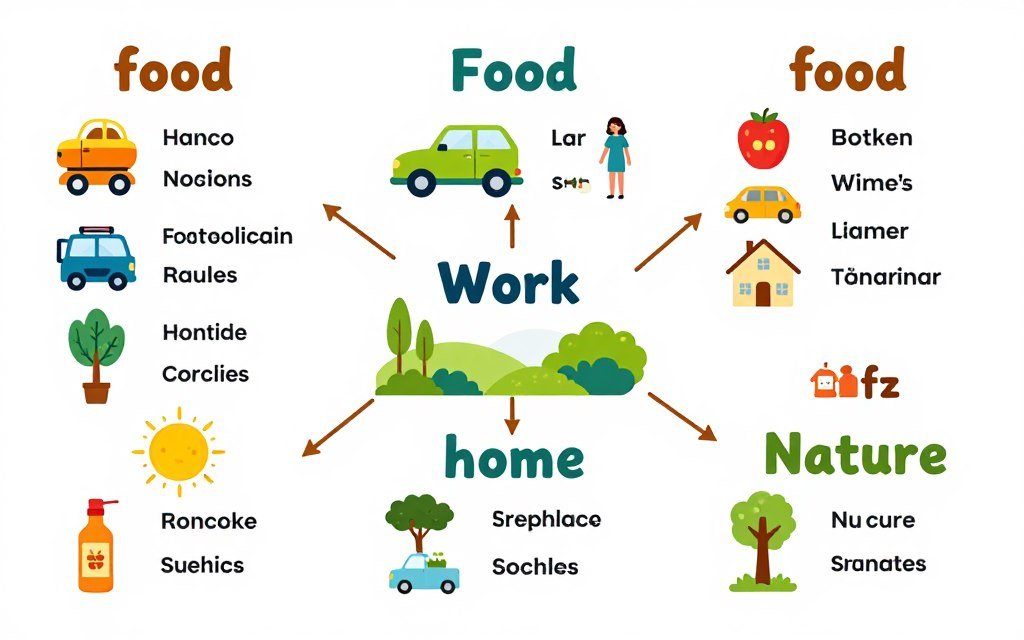
Organizing your vocabulary study by themes helps your brain create logical connections between related words. This categorical approach mimics how native speakers naturally acquire language and makes recall easier during conversations.
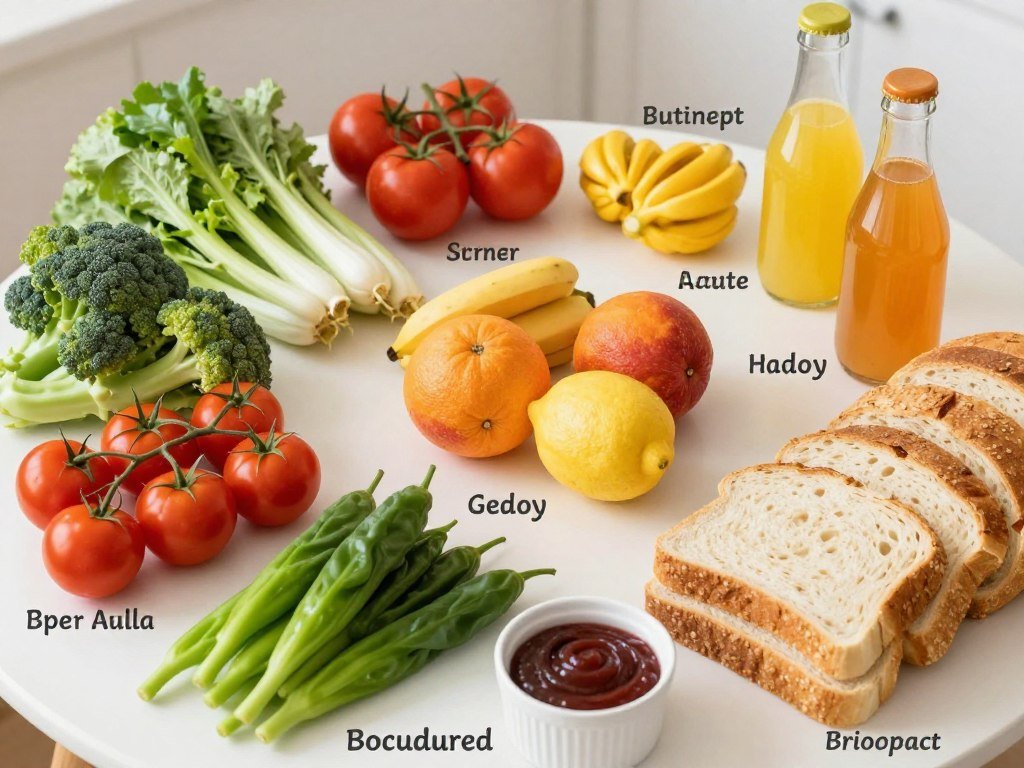
Food and Dining Vocabulary
Food vocabulary proves essential for daily living, whether you’re shopping at markets, ordering in restaurants, or discussing recipes. These words appear constantly in both formal and informal settings.
Meals and Foods
- Breakfast, lunch, dinner
- Bread, rice, pasta
- Meat, chicken, fish
- Vegetables, fruits
- Milk, cheese, eggs
Beverages
- Water, juice, coffee
- Tea, milk, soda
- Hot chocolate
- Fresh juice
- Mineral water
Cooking Terms
- Cook, bake, fry
- Boil, grill, roast
- Cut, chop, slice
- Mix, stir, pour
- Taste, season, serve
Transportation and Travel Words
Transportation vocabulary enables you to navigate cities, book tickets, and discuss travel plans. These words become particularly important when visiting English-speaking countries or working in tourism-related fields.
- Vehicles: car, bus, train, airplane, taxi, bicycle, motorcycle, boat
- Locations: airport, station, terminal, platform, gate, parking lot
- Actions: drive, ride, fly, board, arrive, depart, transfer
- Tickets: ticket, reservation, seat, boarding pass, fare, one-way, round-trip
- Directions: left, right, straight, north, south, east, west, near, far
Work and Education Vocabulary
Professional and academic contexts require specific vocabulary sets. Whether you’re writing emails, attending meetings, or studying English for academic purposes, these words form the backbone of formal communication.

Workplace Terms
- Office, desk, computer, meeting
- Manager, employee, colleague, client
- Salary, contract, promotion, project
- Email, report, presentation, deadline
- Schedule, appointment, conference
Education Words
- School, university, classroom, library
- Teacher, student, professor, principal
- Lesson, course, subject, exam
- Homework, assignment, grade, degree
- Study, learn, practice, review
Common English Idioms and Expressions
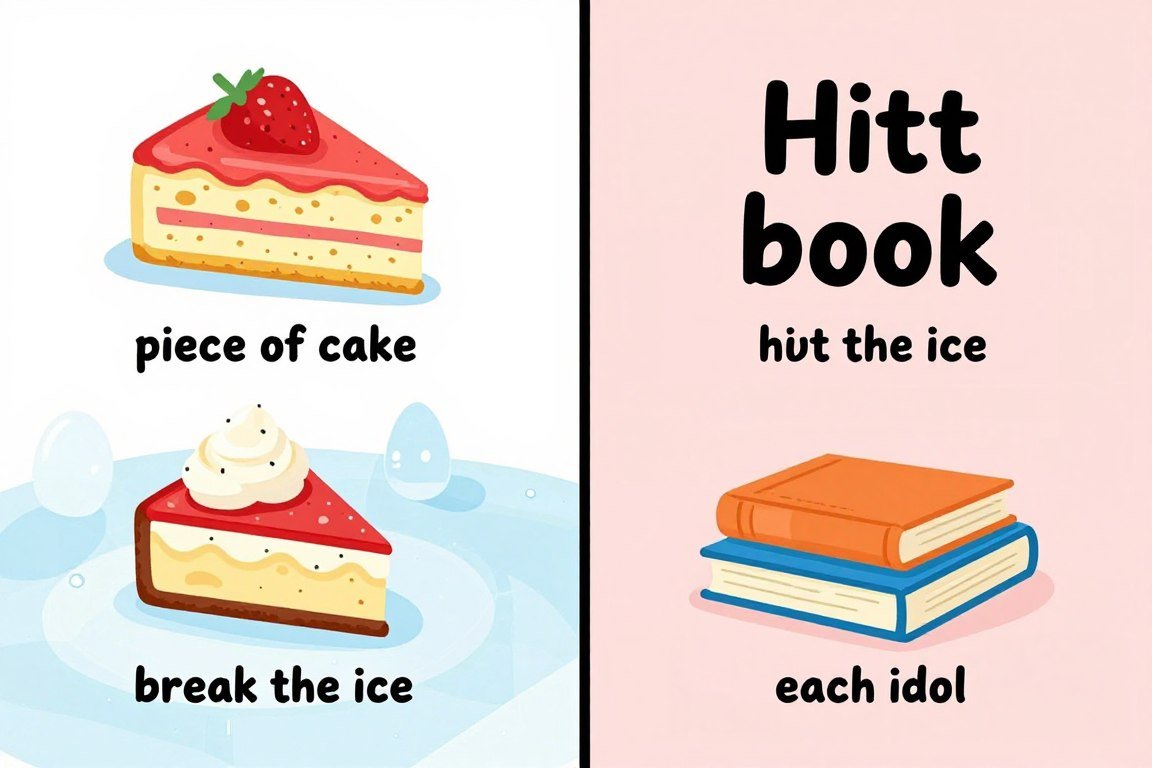
Native speakers frequently use idioms in everyday conversations. While these expressions don’t translate literally, understanding them helps you sound more natural and comprehend authentic English content. Start with these common English idioms that beginners should know.
| Idiom | Meaning | Example |
| Break the ice | Make people feel comfortable | He told a joke to break the ice at the meeting. |
| Piece of cake | Very easy | The test was a piece of cake. |
| Hit the books | Start studying | I need to hit the books before the exam. |
| Under the weather | Feeling sick | I’m feeling under the weather today. |
| Cost an arm and a leg | Very expensive | That car costs an arm and a leg. |
Professional English Vocabulary Courses for Arabic Speakers

While self-study provides a solid foundation, structured courses accelerate your progress by providing systematic content, expert guidance, and accountability. Our specialized courses at Loghtak are designed specifically for Arabic speakers, addressing the unique challenges you face when learning English vocabulary.
أساسك الصحيح في الإنجليزي – للمبتدئين
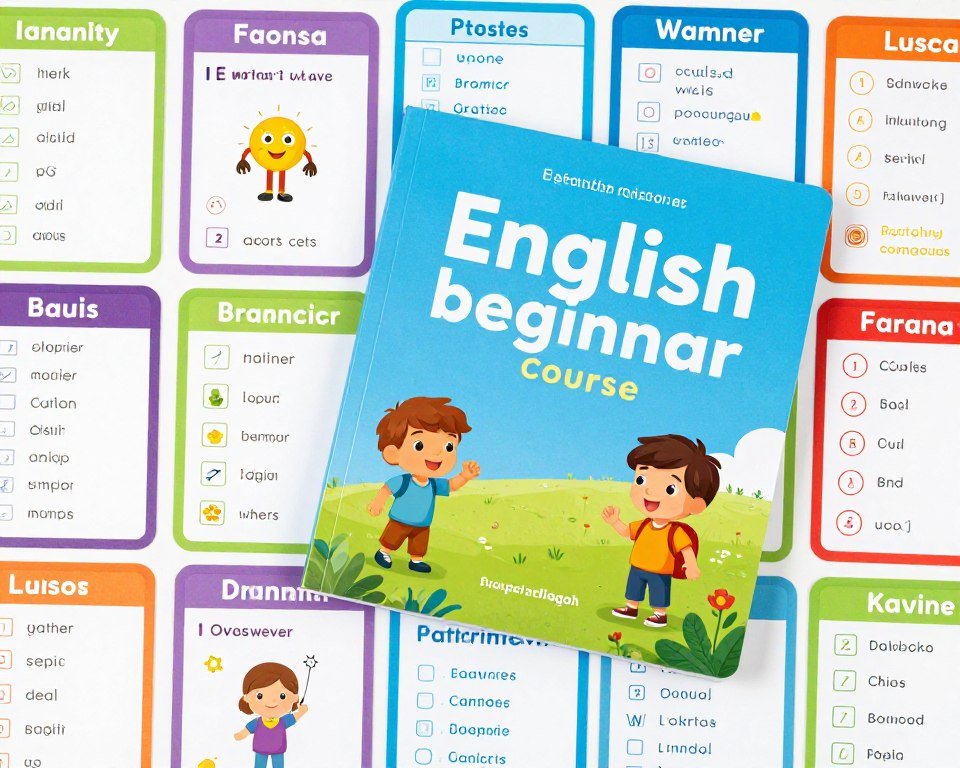
This comprehensive beginner course builds your English vocabulary foundation from zero to confident communication. You’ll master 500 essential words organized by themes, learn proper pronunciation, and practice with interactive exercises designed for Arabic speakers.
- Core vocabulary for everyday situations
- Pronunciation training with Arabic phonetic guidance
- Cultural context for words and expressions
- Weekly progress assessments
اللغة القويه تبدأ من التفاصيل الصغيرة
Perfect for intermediate learners ready to refine their vocabulary and master subtle language nuances. This course focuses on the small details that make your English sound natural and professional, including collocations, phrasal verbs, and contextual usage.
- Advanced vocabulary strategies
- Business and academic English words
- Idioms and expressions for fluency
- Real-world application exercises
بكج الطلاقة الشامل في اللغة الإنجليزية
Our most comprehensive program combines vocabulary building with grammar, speaking, listening, and writing skills. This complete package takes you from beginner to advanced level with over 3000 essential English vocabulary words, structured in a logical progression.
- Complete vocabulary coverage for all levels
- Integrated skills development
- Live practice sessions with instructors
- Lifetime access to recorded content

بكج STEP الشامل
Specifically designed for students preparing for the STEP exam, this course targets the exact vocabulary and skills tested. You’ll master academic vocabulary, learn test-taking strategies, and practice with authentic exam-style questions to maximize your score.
- STEP-specific vocabulary lists
- Exam strategy and time management
- Practice tests with detailed explanations
- Score improvement guarantee

Practical Tips for Practicing and Retaining Vocabulary

Consistent practice transforms passive knowledge into active skills. The following strategies help you retain vocabulary long-term and develop the ability to use words spontaneously in conversations.
Create a Personal Vocabulary Journal
Maintain a dedicated notebook or digital document where you record new words with their meanings, example sentences, and personal notes. Writing information by hand activates different brain regions than typing, creating stronger memory connections. Review your journal regularly, adding new examples as you encounter words in different contexts.
Organize your journal by themes or alphabetically for easy reference. Include pronunciation notes using phonetic symbols or your own system. Drawing small pictures next to words can create visual associations that boost recall. This personalized resource becomes increasingly valuable as it grows.
Use New Words Immediately
The first 24 hours after learning a new word are critical for memory consolidation. Challenge yourself to use each new word in conversation or writing within one day of learning it. This immediate application creates a meaningful memory that lasts far longer than passive review.

Create sentences about your own life using new vocabulary. For example, if you learn the word “exhausted,” write “I felt exhausted after working ten hours yesterday.” Personal connections make words memorable because they link to your experiences and emotions.
Set Realistic Daily Goals
Learning vocabulary is a marathon, not a sprint. Research suggests that learning 10-15 new words per day provides optimal balance between progress and retention. Attempting to memorize 50 or 100 words daily usually leads to frustration and poor long-term retention.
- Learn 10-15 new words each morning
- Review yesterday’s words at lunch
- Practice using words in sentences
- Review weekly words before sleep
- Take one rest day per week
Effective Daily Routine
- Cramming 100 words before tests
- Learning without reviewing
- Memorizing isolated words only
- Studying irregularly
- Never using words in practice
Ineffective Approaches
Engage Multiple Senses
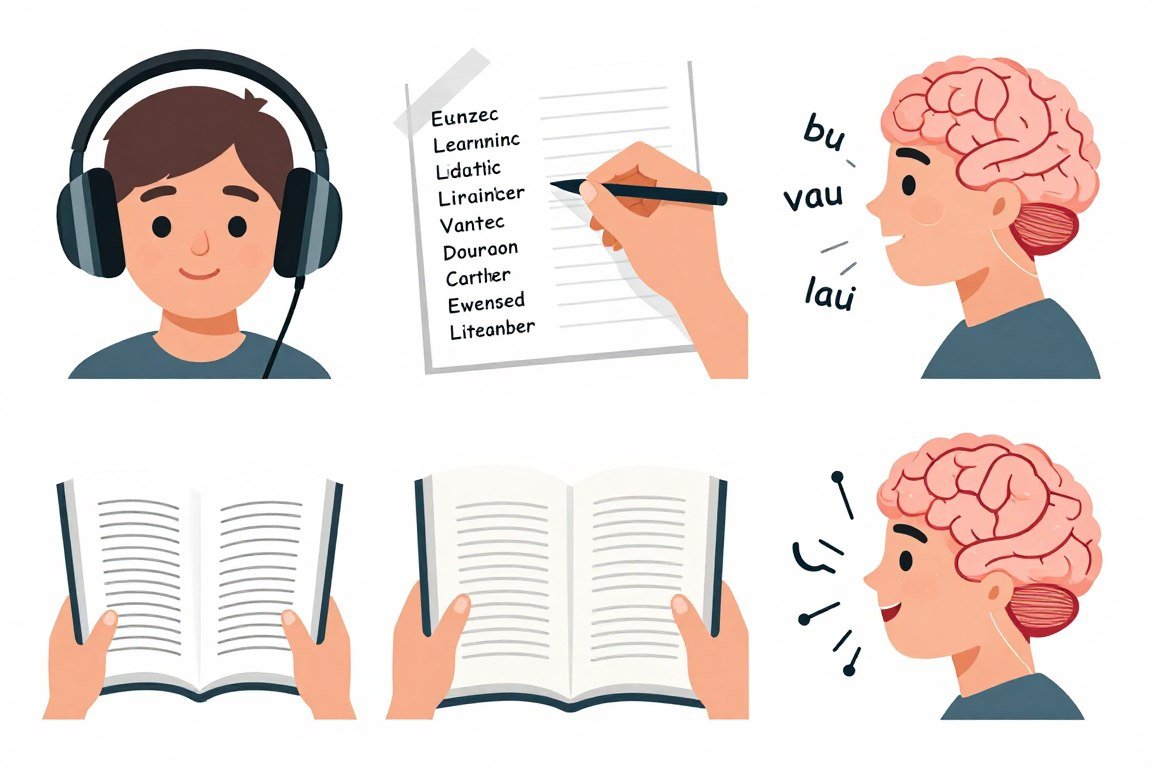
The more senses you involve in learning, the stronger the memory becomes. Don’t just read words silently. Say them aloud to engage your auditory memory. Write them to activate kinesthetic learning. Create mental images or find pictures that represent meanings to involve visual memory.
Listen to the same content multiple times. First, focus on understanding main ideas. Then listen again, paying attention to specific vocabulary. Finally, listen while reading transcripts to connect sounds with written forms. This layered approach builds comprehensive word knowledge.
Join English Learning Communities
Practice with other learners provides motivation, accountability, and opportunities to use vocabulary in authentic conversations. Join online forums, social media groups, or local English clubs where you can interact with fellow students and native speakers.
Language exchange partnerships offer mutual benefits. You help someone learn Arabic while they assist you with English. Regular conversations with the same partner allow you to build on previous discussions, naturally reviewing vocabulary in varied contexts. Many people find these relationships more motivating than solo study.
Consume English Content Daily
Immerse yourself in English through content that interests you. Watch movies with English subtitles, listen to podcasts about your hobbies, read articles on topics you care about, or follow English-speaking social media accounts. This exposure provides thousands of vocabulary encounters in natural contexts.
Choose content at an appropriate level. Material that’s too difficult frustrates and discourages. Content that’s too easy doesn’t challenge you to grow. Aim for the sweet spot where you understand most of the content but encounter some new vocabulary. This keeps you engaged while promoting growth.

احصل على استشارة مجانية لتحديد مستواك
تواصل مع خبراء اللغة الإنجليزية لدينا للحصول على تقييم دقيق لمستواك الحالي وخطة تعلم مخصصة تناسب احتياجاتك وأهدافك. استشارتنا تساعدك على اختيار المسار الأنسب لتطوير مفرداتك.
Overcoming Common Vocabulary Learning Challenges
Every language learner faces obstacles when building vocabulary. Recognizing these challenges and having strategies to address them prevents frustration and maintains your motivation throughout the learning journey.
The Forgetting Problem
Forgetting new words feels discouraging, but it’s a natural part of the learning process. Your brain constantly evaluates which information deserves long-term storage. Words you encounter only once rarely make the cut. The solution involves strategic repetition through spaced review rather than blaming yourself for normal memory function.
Accept that you’ll forget things and plan accordingly. When you forget a word, treat it as a signal that you need more exposure to that particular item. Some words require 10 or more encounters before they stick permanently. Be patient with yourself and trust the process.
Pronunciation Difficulties
English pronunciation challenges Arabic speakers because the two languages have different sound systems. Sounds like “p” and “v” don’t exist in Arabic, making them difficult to distinguish and produce. The key involves focused listening practice combined with deliberate pronunciation exercises.

Use online pronunciation dictionaries that include audio recordings from native speakers. Listen multiple times, paying close attention to mouth position and sound quality. Record yourself saying words and compare your pronunciation to native speaker models. Over time, your ear becomes more attuned to subtle differences.
Applying Vocabulary in Real Conversations
Many learners know vocabulary passively but freeze when trying to use words in spontaneous speech. This gap between recognition and production narrows through deliberate speaking practice. Start by talking to yourself in English about your daily activities, gradually building the habit of thinking in English.
Practice common conversation scenarios through role-play. Prepare for situations you frequently encounter like ordering food, asking for directions, or introducing yourself. This preparation builds confidence and makes vocabulary readily accessible when you need it in real interactions.
Additional Ways to Improve Your English Vocabulary
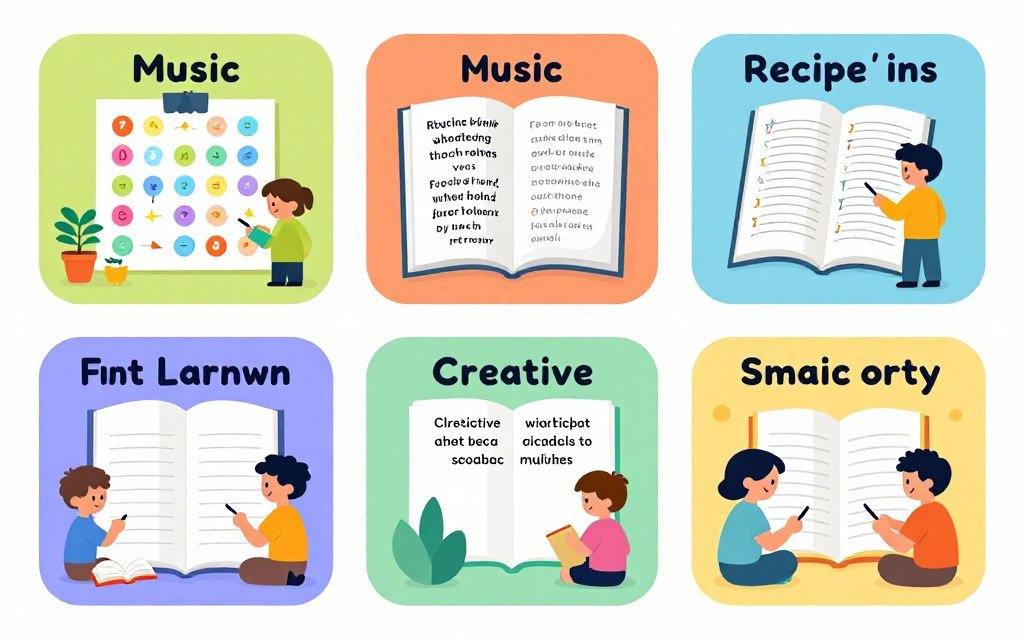
Beyond traditional study methods, incorporating English into your daily life in creative ways accelerates vocabulary acquisition while making the process enjoyable and sustainable.
Learn Through Music and Lyrics
Songs provide memorable contexts for vocabulary because melody and rhythm create additional memory hooks. Choose songs you enjoy and look up the lyrics. Sing along to practice pronunciation and internalize word patterns. Music naturally repeats phrases, giving you the repetition necessary for retention without boring drills.
Focus on one song per week, listening multiple times until you understand all the words. Create a playlist of English songs for different activities like exercising, commuting, or relaxing. This constant exposure builds familiarity with common expressions and cultural references.
Use English for Your Hobbies and Interests
Learning vocabulary related to things you already care about feels effortless because you’re genuinely interested in the content. If you love cooking, follow English recipe channels and food blogs. If you enjoy sports, watch English commentary and read sports news in English. This approach combines pleasure with learning.

Your existing knowledge provides context that makes new vocabulary easier to understand and remember. You already know the concepts in your hobby, so you’re simply learning new labels rather than grappling with completely foreign ideas. This significantly reduces cognitive load and speeds up learning.
Play Word Games and Use Learning Apps
Gamification makes vocabulary practice addictive in positive ways. Apps like Duolingo, Memrise, and Quizlet turn learning into games with points, levels, and achievements. This taps into your natural desire for progress and competition, making daily practice something you look forward to rather than a chore.
Crossword puzzles, word searches, and Scrabble in English challenge you to recall and manipulate vocabulary actively. These games often introduce you to new words in context, combining learning with entertainment. Even 10 minutes of word games daily contributes to your vocabulary growth.
Read Extensively at Your Level
Reading provides the richest source of vocabulary input. It exposes you to words in meaningful contexts, demonstrates proper usage, and allows you to encounter the same words multiple times across different texts. Start with graded readers designed for English learners, then gradually progress to authentic materials.
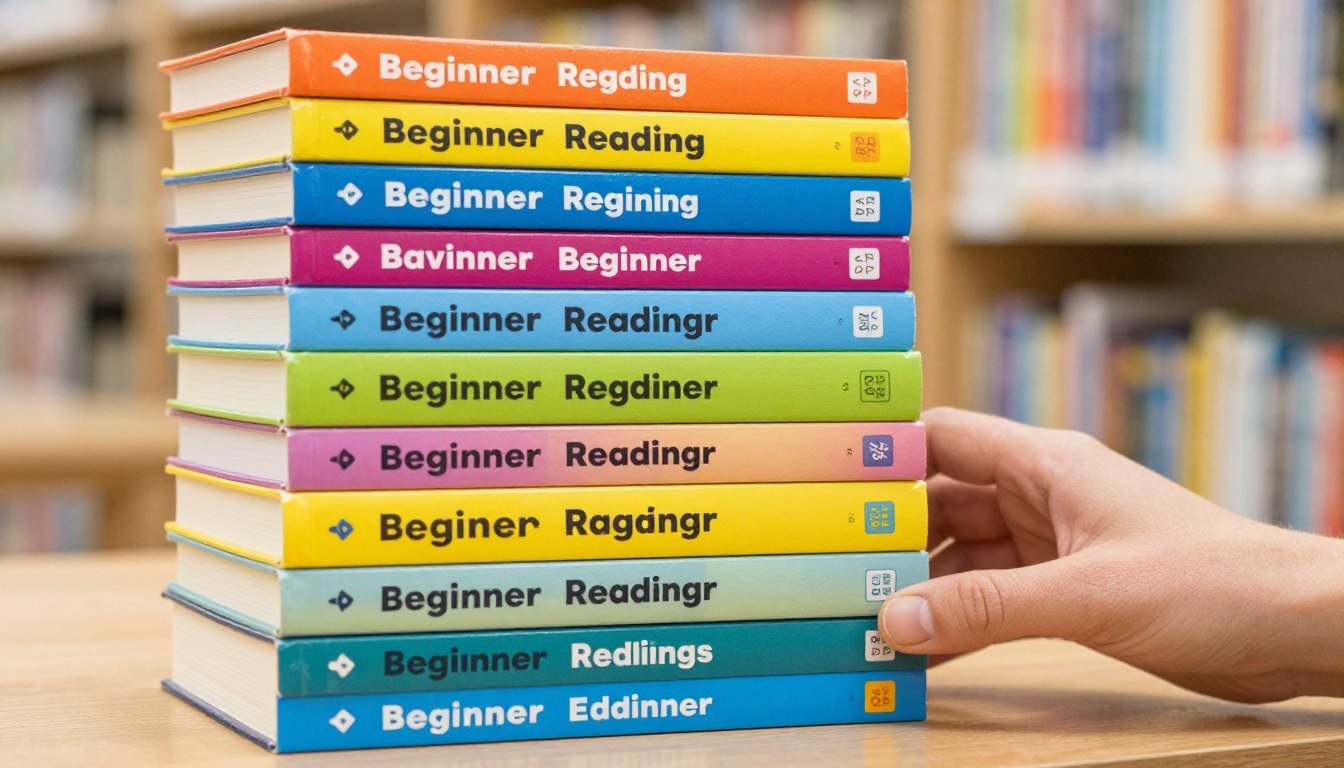
Don’t look up every unknown word immediately. Try to understand meaning from context first. Only check words that appear repeatedly or are critical to understanding the main idea. This trains you to tolerate ambiguity and develops the skill of guessing meaning, which native speakers use constantly.
Create Vocabulary Mind Maps
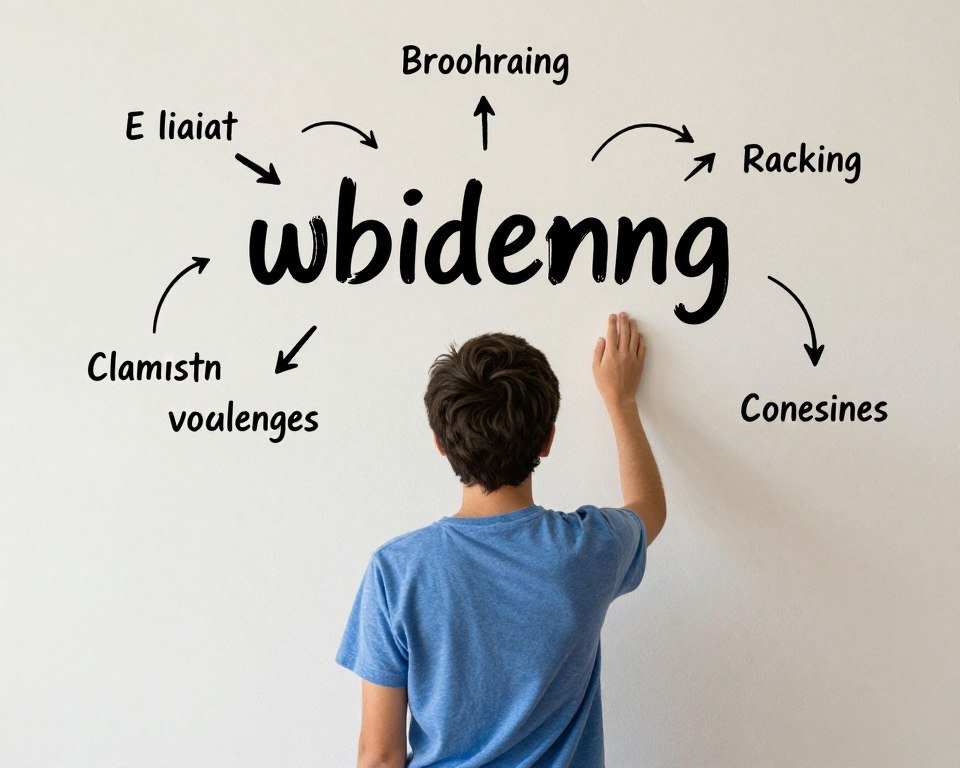
Mind maps organize related words visually around central themes, mimicking how your brain naturally stores information in connected networks. Start with a core concept like “communication” in the center, then branch out to related verbs, nouns, adjectives, and expressions. This creates a comprehensive picture of vocabulary within a semantic field.
Use colors, drawings, and symbols to make your mind maps memorable. The creative process of designing the map reinforces learning, while the finished product serves as an effective review tool. Creating mind maps for different topics builds your vocabulary systematically while improving your understanding of how words relate to each other.
Begin Your English Vocabulary Journey Today

Building strong English vocabulary transforms your ability to communicate, opens career opportunities, and connects you to a global community of English speakers. The journey from beginner to confident communicator happens one word at a time through consistent practice and effective learning strategies.
Remember that vocabulary acquisition is not about memorizing thousands of isolated words. Success comes from learning high-frequency vocabulary in meaningful contexts, practicing regularly with spaced repetition, and using new words actively in speaking and writing. The methods outlined in this guide provide a proven framework for efficient learning that respects how your brain naturally acquires language.
Start small with achievable daily goals. Master the essential vocabulary categories before moving to more specialized terms. Engage with English content that interests you to maintain motivation. Most importantly, be patient with yourself and celebrate small victories along the way. Every new word you learn represents progress toward your language goals.
The resources and strategies you need are available right now. Whether you choose self-study, structured courses, or a combination of both, the key is to begin today and maintain consistency. Your future self will thank you for the investment you make in your English vocabulary skills today.
ابدأ الآن مع دورات لغتك الاحترافية
لا تؤجل تطوير مهاراتك في اللغة الإنجليزية. انضم إلى آلاف المتعلمين الذين حققوا نتائج ملموسة مع دوراتنا المتخصصة. فريقنا من المدربين المحترفين جاهز لمساعدتك في بناء أساس قوي من المفردات الإنجليزية.